
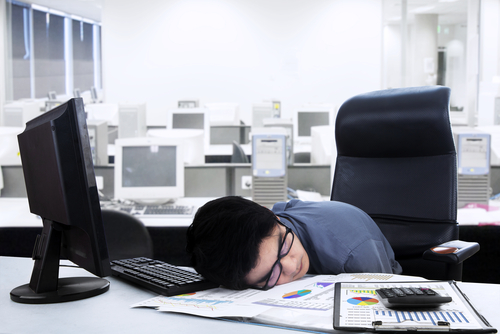
 If you’ve ever discovered an employee napping on the job, your reaction probably fell somewhere between concerned and appalled. Hopefully you gave the snoozer in question a bit of grace and allowed him or her to explain what was going on.
Because while it may be the case that the napper was bored or just overdid it on carbs at lunch, there could always be an unseen reason for this kind of fatigue. If there’s a newborn in the house or the employee is working two jobs, it’s no wonder they’re worn out. And of course there is a chance that the he or she suffers from a medical condition, such as sleep apnea or narcolepsy.
Whatever the cause, if these siestas aren’t affecting the quality or timeliness of their work, the solution may not necessarily lie only in disciplining the employee, but coming up with a more accommodating work schedule or providing support otherwise.
Some considerations:
- Is the napping habitual or a one-time occurrence?
- What are the potential consequences of the worker sleeping on the job? If anyone’s safety was put in jeopardy or if the nap could have cost the company in terms of reputation or revenue, the situation is more dire than if the primary issue is that the employee took a $50 nap.
- Medical disorders may be considered disabilities and are protected by the ADA, so the employer should make every reasonable effort to accommodate the worker’s condition. A different shift, for example, or a temporary reassignment if the situation will resolve itself in due time.
Read more here.
Published by Conselium Executive Search, the global leader in compliance search.