
In today’s increasingly regulated business environment, organizations face growing pressure from regulators, stakeholders, customers, and employees to operate ethically and transparently. While policies and procedures are essential components of a compliance program, true organizational integrity is built through a culture of accountability. At the center of this effort is the Compliance Director, whose leadership helps establish expectations, reinforce ethical behavior, and create systems that encourage responsibility at every level of the organization.
Organizations that foster accountability are often better equipped to manage risk, maintain regulatory compliance, and strengthen stakeholder trust. A strong accountability culture does not happen by accident—it requires strategic leadership, clear communication, consistent enforcement, and ongoing education. This is where experienced compliance leaders make a significant impact.
As a trusted leader in compliance executive recruitment, Conselium Compliance Search understands the critical role compliance professionals play in shaping ethical corporate cultures and helping organizations achieve sustainable success.
What Is a Culture of Accountability?

A culture of accountability exists when employees understand their responsibilities, take ownership of their actions, and consistently adhere to organizational policies and ethical standards. In accountable organizations:
- Expectations are clearly defined.
- Employees understand the consequences of misconduct.
- Leaders model ethical behavior.
- Reporting concerns is encouraged.
- Compliance is viewed as a shared responsibility.
Rather than relying solely on enforcement mechanisms, accountability becomes embedded in everyday decision-making. Employees understand that their actions affect the organization’s reputation, financial health, and long-term success.
The Strategic Role of a Compliance Director
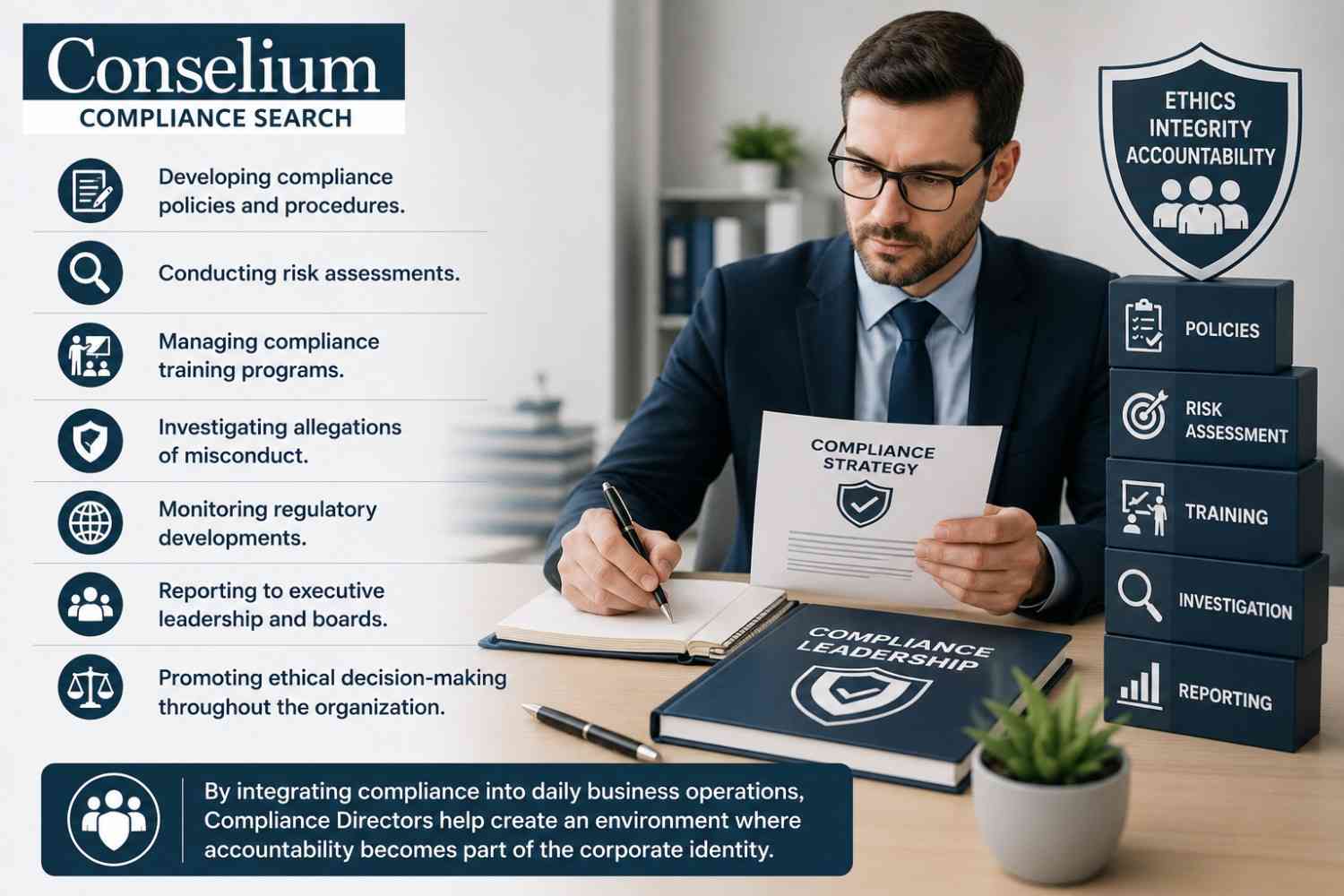
A skilled Compliance Director serves as both a compliance expert and a cultural leader. While regulatory oversight remains an important responsibility, modern compliance leaders are increasingly tasked with fostering ethical business practices across the organization.
Key responsibilities often include:
- Developing compliance policies and procedures.
- Conducting risk assessments.
- Managing compliance training programs.
- Investigating allegations of misconduct.
- Monitoring regulatory developments.
- Reporting to executive leadership and boards.
- Promoting ethical decision-making throughout the organization.
By integrating compliance into daily business operations, Compliance Directors help create an environment where accountability becomes part of the corporate identity.
Establishing Clear Expectations
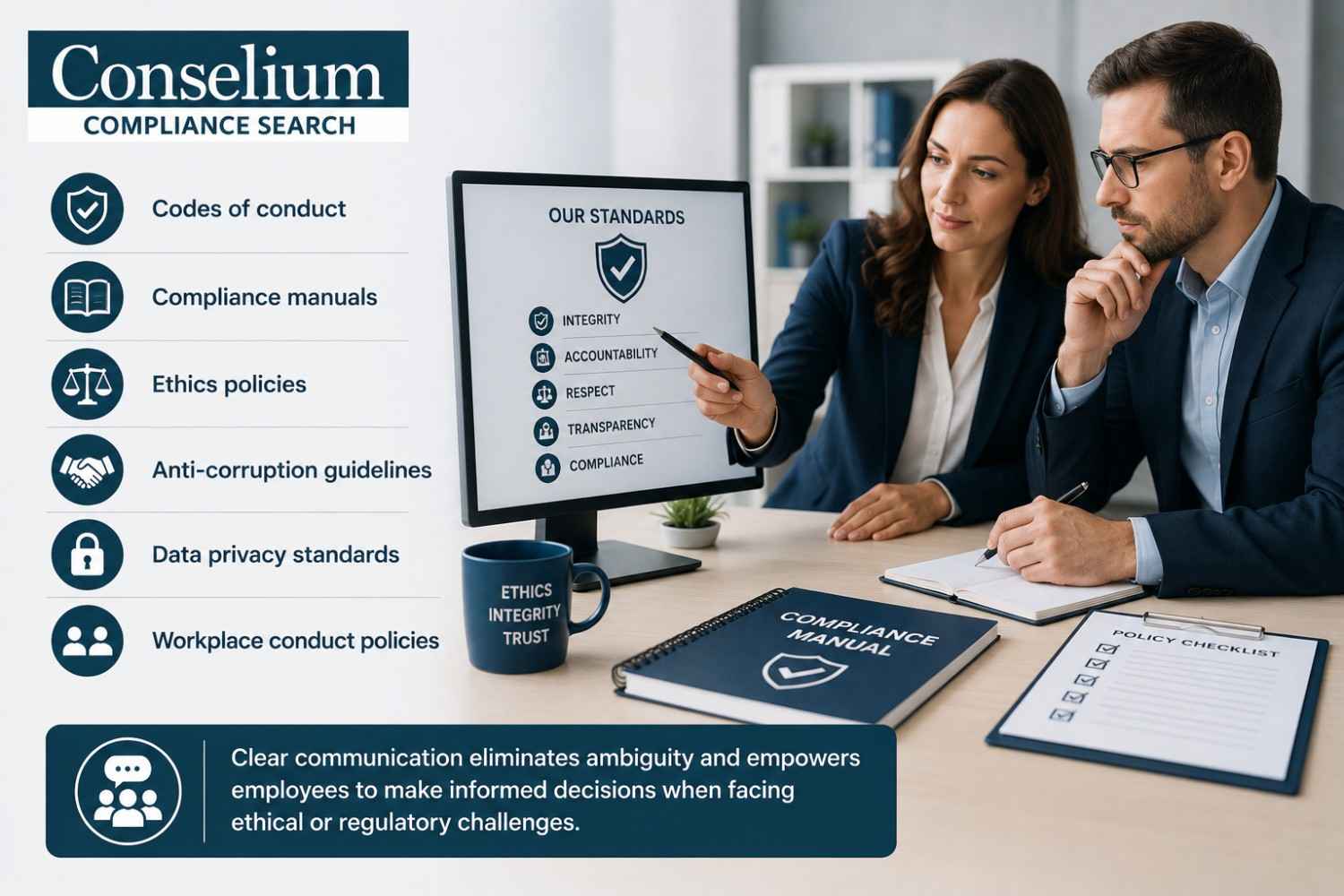
One of the first steps in building accountability is establishing clear expectations for employee conduct.
A Compliance Director works closely with leadership teams to create policies that define acceptable behavior and compliance requirements. These expectations are typically documented through:
- Codes of conduct.
- Compliance manuals.
- Ethics policies.
- Anti-corruption guidelines.
- Data privacy standards.
- Workplace conduct policies.
However, simply publishing policies is not enough. Effective Compliance Directors ensure employees understand how these standards apply to real-world situations.
Clear communication eliminates ambiguity and empowers employees to make informed decisions when facing ethical or regulatory challenges.
Leading by Example

Accountability starts at the top. Employees pay close attention to leadership behavior and often mirror the actions of executives and managers.
Compliance Directors play an important role in promoting ethical leadership by:
- Encouraging executive accountability.
- Supporting transparent decision-making.
- Reinforcing ethical standards during leadership meetings.
- Advising management on compliance risks.
- Holding all employees accountable regardless of position.
When leaders consistently demonstrate integrity, employees are more likely to embrace similar values.
A culture of accountability cannot thrive if employees perceive that senior leaders are exempt from compliance expectations. Effective Compliance Directors help ensure standards are applied consistently across the organization.
Creating Effective Compliance Training Programs

Education is one of the most powerful tools for building accountability.
Compliance Directors develop training programs that help employees understand:
- Regulatory obligations.
- Industry-specific requirements.
- Company policies.
- Ethical decision-making frameworks.
- Reporting procedures.
- Consequences of non-compliance.
Modern compliance training goes beyond basic policy reviews. Interactive workshops, case studies, scenario-based learning, and role-specific education help employees apply compliance principles in practical situations.
Regular training reinforces accountability by reminding employees that compliance is an ongoing responsibility rather than a one-time requirement.
Encouraging Open Communication
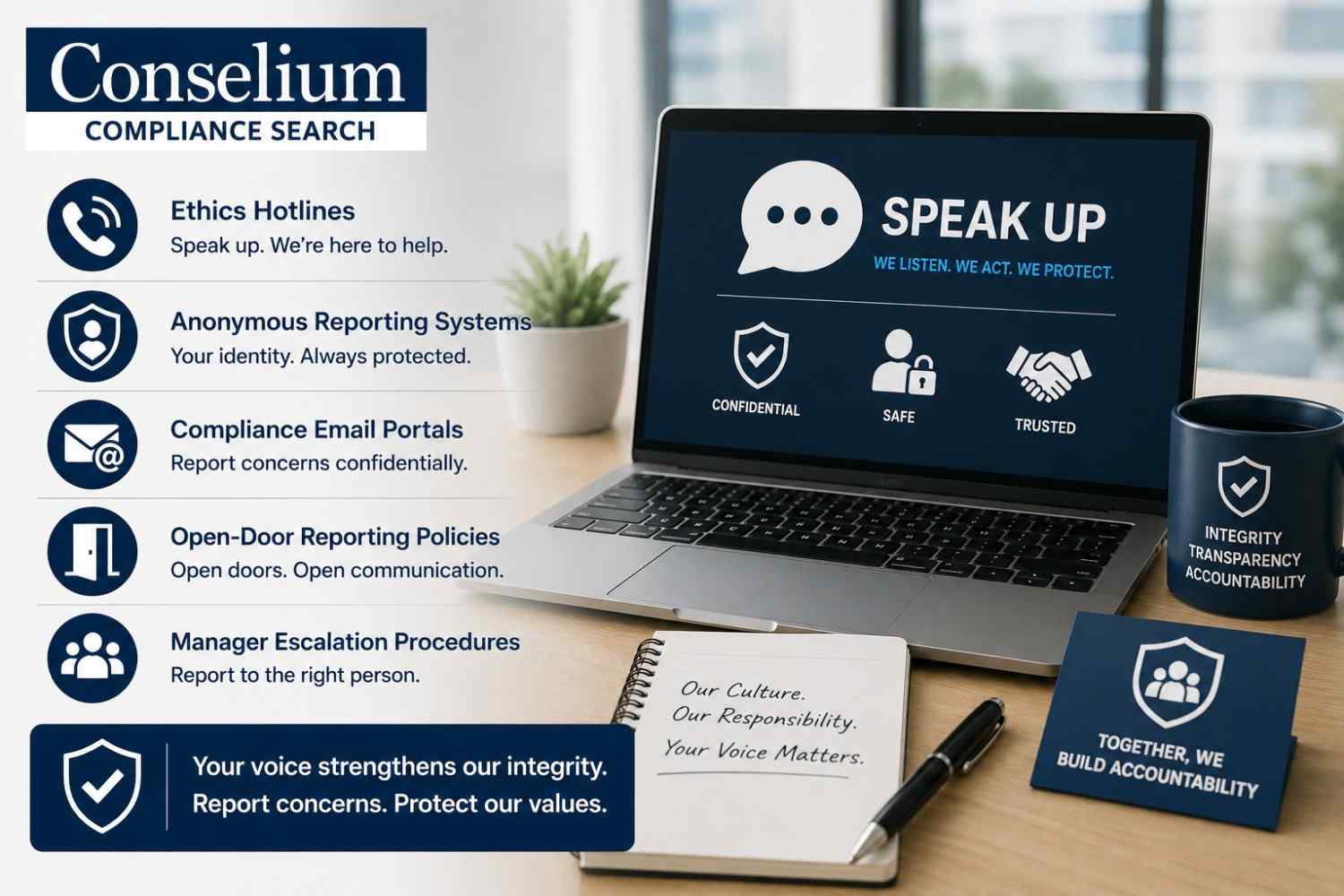
Employees must feel comfortable speaking up when they observe potential misconduct or compliance concerns.
A Compliance Director helps establish communication channels that encourage transparency, including:
- Ethics hotlines.
- Anonymous reporting systems.
- Compliance email portals.
- Open-door reporting policies.
- Manager escalation procedures.
Building trust in these systems is essential. Employees must believe that concerns will be investigated fairly and without retaliation.
When individuals feel safe reporting issues, organizations can identify risks earlier, address problems proactively, and strengthen overall accountability.
Strengthening Investigations and Enforcement
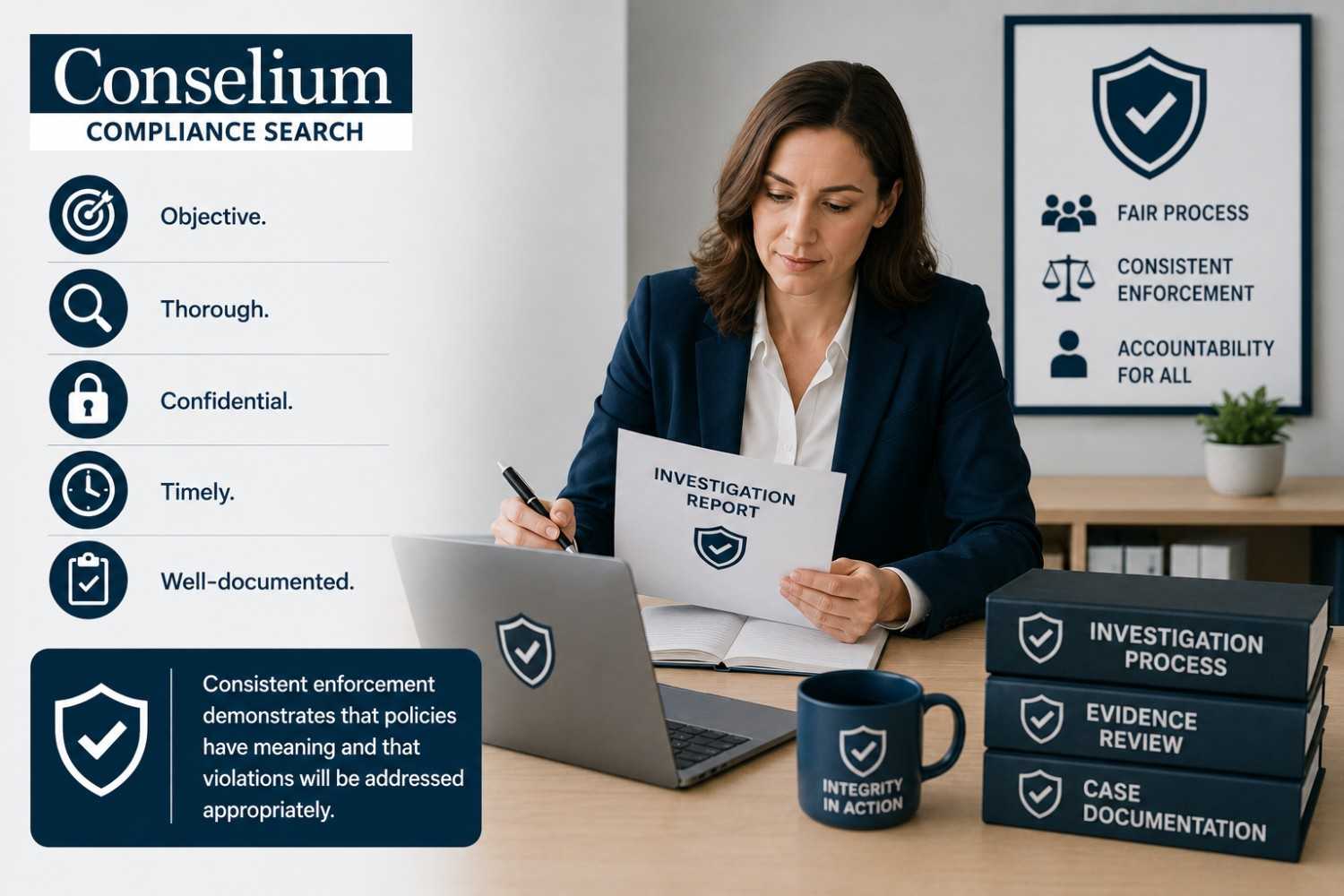
Accountability requires consistent enforcement of compliance standards.
When allegations arise, Compliance Directors oversee investigations that are:
- Objective.
- Thorough.
- Confidential.
- Timely.
- Well-documented.
Consistent enforcement demonstrates that policies have meaning and that violations will be addressed appropriately.
Organizations weaken accountability when misconduct is ignored or handled inconsistently. Effective Compliance Directors ensure disciplinary actions align with established policies and are applied fairly across all employee levels.
This consistency reinforces employee confidence in the compliance program and strengthens organizational credibility.
Integrating Accountability into Performance Management
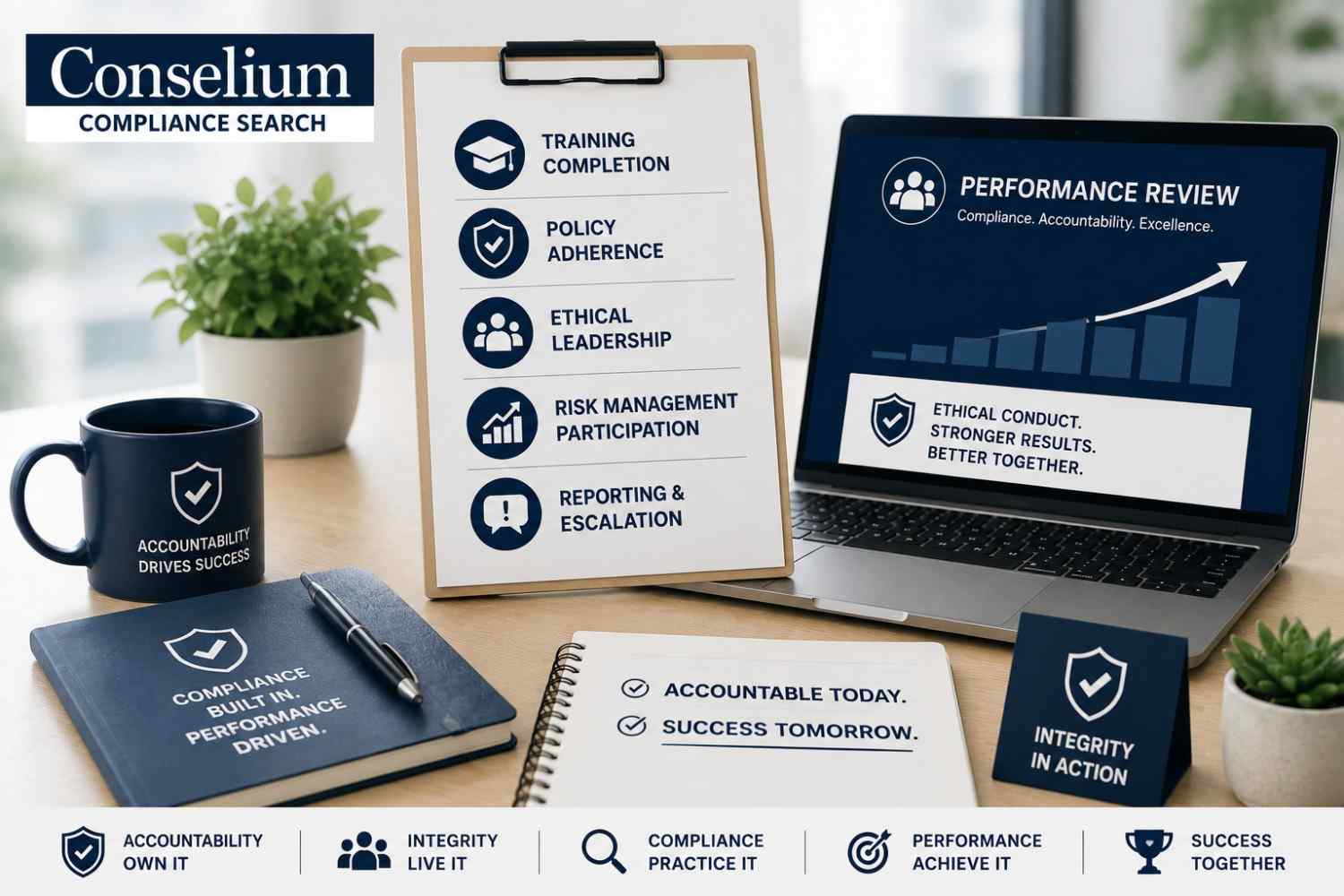
High-performing compliance programs often incorporate accountability into employee evaluations.
Compliance Directors collaborate with human resources and leadership teams to include compliance-related metrics within performance reviews.
Examples may include:
- Completion of required training.
- Adherence to company policies.
- Ethical leadership behaviors.
- Risk management participation.
- Reporting and escalation practices.
When accountability becomes part of employee performance expectations, compliance transforms from a separate function into a core business priority.
Employees recognize that ethical conduct directly influences professional success and organizational outcomes.
Leveraging Data and Monitoring Systems

Technology plays an increasingly important role in supporting accountability.
Compliance Directors utilize monitoring and analytics tools to identify trends, assess risks, and evaluate program effectiveness.
These tools may help organizations:
- Track policy acknowledgments.
- Monitor training completion rates.
- Identify unusual transactions.
- Detect compliance violations.
- Analyze reporting trends.
- Measure program performance.
Data-driven insights allow compliance leaders to proactively address vulnerabilities before they develop into larger regulatory or reputational issues.
Monitoring systems also provide valuable evidence that accountability mechanisms are functioning effectively.
Building Cross-Functional Partnerships

Compliance cannot operate in isolation.
Successful Compliance Directors collaborate with departments across the organization, including:
- Human Resources.
- Legal.
- Internal Audit.
- Finance.
- Information Technology.
- Operations.
- Risk Management.
These partnerships help align compliance objectives with broader business goals.
Cross-functional collaboration ensures accountability standards are consistently implemented throughout the organization rather than remaining confined to the compliance department.
A unified approach strengthens both compliance effectiveness and organizational culture.
Promoting Ethical Decision-Making
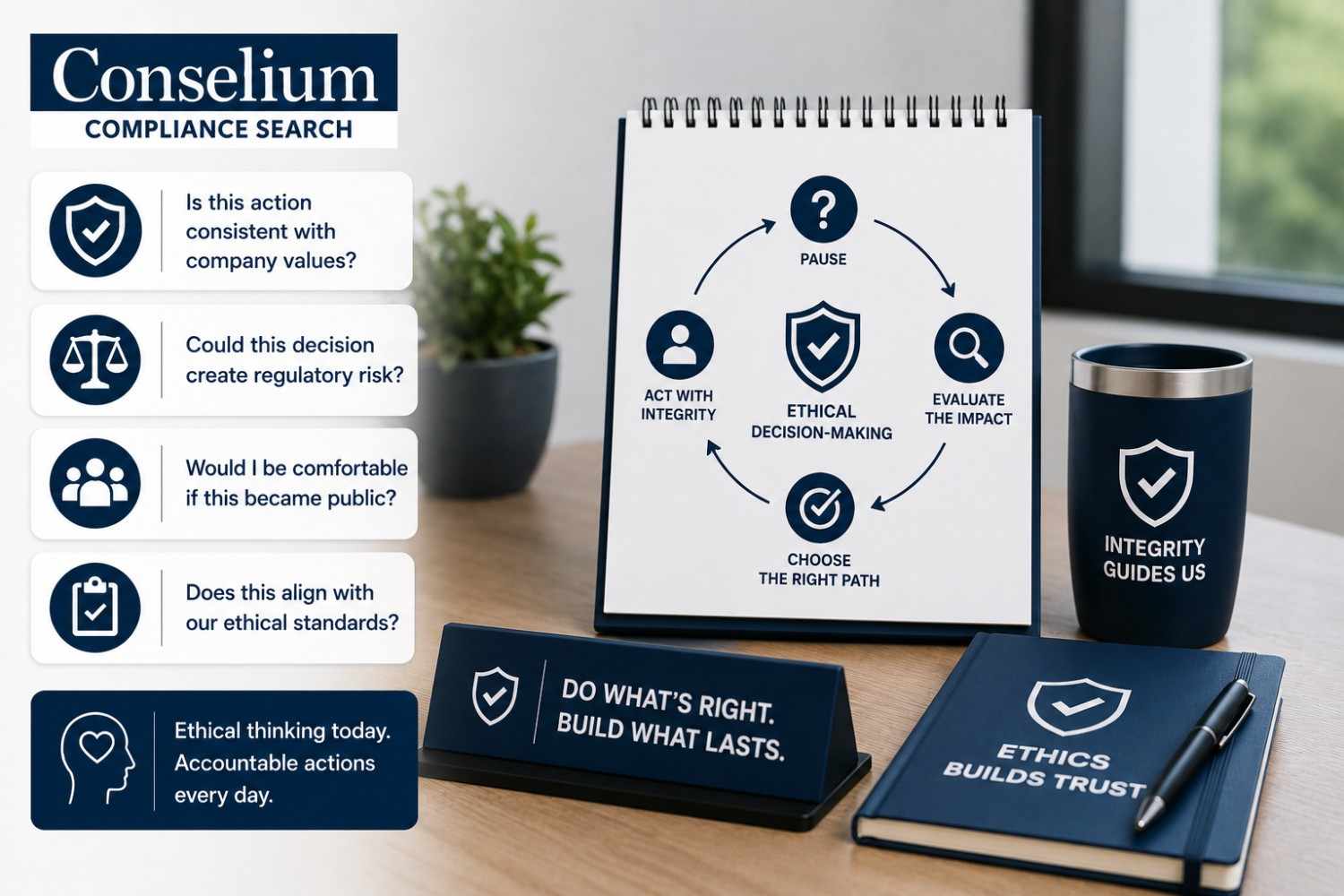
Rules alone cannot address every situation employees may encounter.
Compliance Directors help employees develop ethical decision-making skills that guide behavior in uncertain circumstances.
This often involves encouraging employees to ask questions such as:
- Is this action consistent with company values?
- Could this decision create regulatory risk?
- Would I be comfortable if this became public?
- Does this align with our ethical standards?
By fostering ethical reasoning, organizations empower employees to make responsible decisions even when policies do not provide explicit guidance.
This proactive approach significantly strengthens accountability across all business functions.
Measuring Accountability Culture
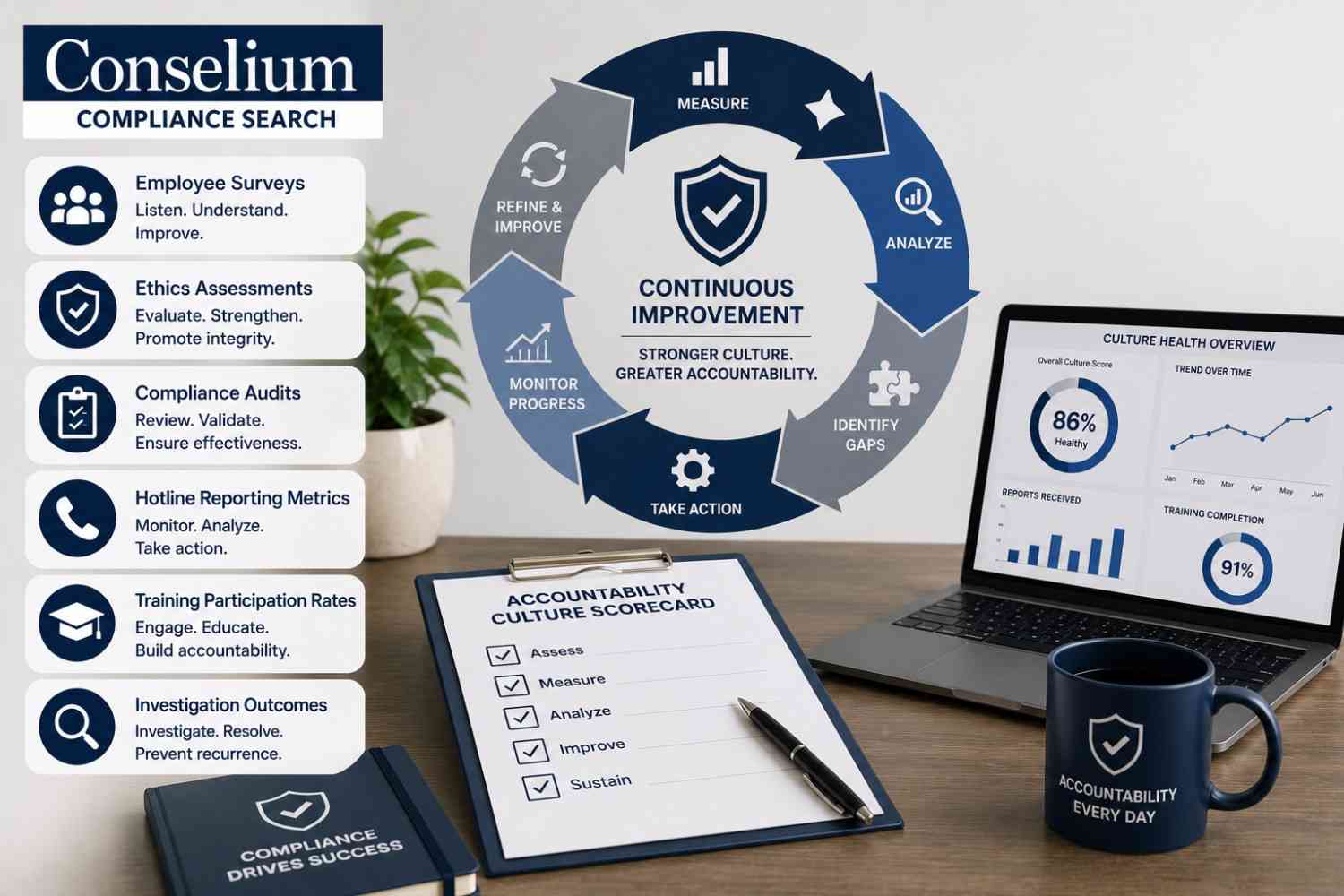
Building a culture of accountability requires continuous evaluation.
Compliance Directors assess organizational culture through various methods, including:
- Employee surveys.
- Ethics assessments.
- Compliance audits.
- Hotline reporting metrics.
- Training participation rates.
- Investigation outcomes.
These measurements help identify strengths, uncover weaknesses, and guide future compliance initiatives.
Continuous improvement ensures accountability remains embedded within organizational operations despite evolving regulatory and business challenges.
The Business Benefits of Accountability

Organizations that prioritize accountability often experience significant advantages, including:
- Reduced regulatory risk.
- Stronger stakeholder confidence.
- Improved employee engagement.
- Enhanced corporate reputation.
- Better operational efficiency.
- Lower misconduct rates.
- Increased organizational resilience.
A strong culture of accountability creates a foundation for sustainable growth while supporting long-term compliance objectives.
As regulatory expectations continue to evolve, organizations with accountable cultures are often better positioned to navigate uncertainty and maintain stakeholder trust.
Why Organizations Need Strong Compliance Leadership
The complexity of today’s regulatory landscape requires experienced compliance professionals who can balance business objectives with ethical responsibilities.
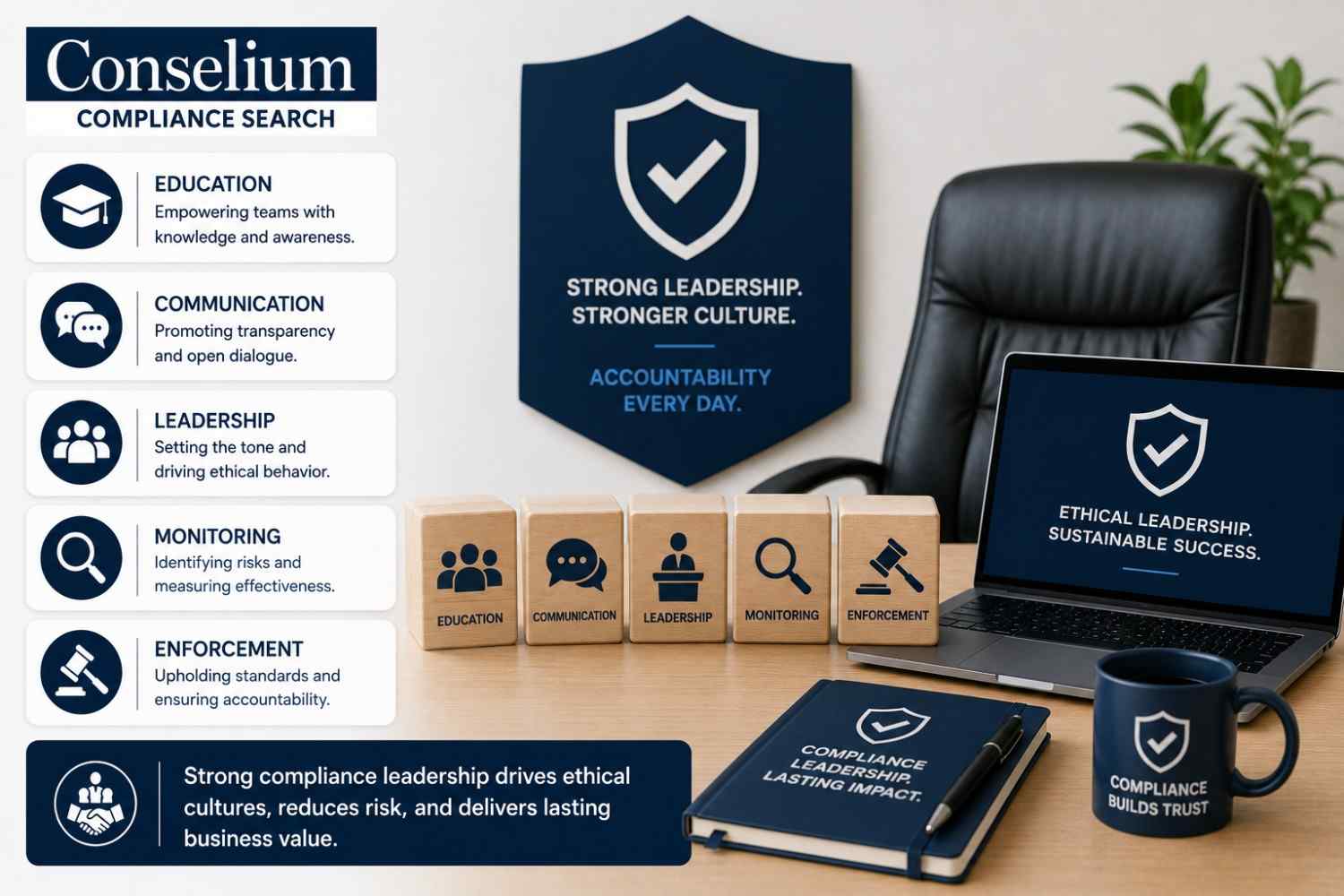
A highly qualified Compliance Director not only manages compliance programs but also serves as a catalyst for cultural transformation. Through education, communication, leadership, monitoring, and enforcement, these professionals help organizations create environments where accountability becomes a shared value.
Companies seeking to strengthen compliance programs and build ethical workplaces often recognize that investing in exceptional compliance leadership is one of the most effective long-term strategies for reducing risk and supporting organizational success.
Find Exceptional Compliance Leadership for Your Organization
Whether your company is seeking an experienced Compliance Director, Chief Compliance Officer, Ethics Executive, or other compliance leadership professional, Conselium Compliance Search specializes in identifying and recruiting top compliance talent across a wide range of industries.
Ready to strengthen your compliance function and build a culture of accountability? Contact us today to discuss your compliance leadership hiring needs.
Frequently Asked Questions
What does a Compliance Director do?
A Compliance Director develops, manages, and oversees compliance programs while helping organizations meet regulatory requirements and promote ethical business practices.
Why is accountability important in compliance programs?
Accountability encourages employees to take responsibility for their actions, follow policies consistently, and support ethical decision-making across the organization.
How does a Compliance Director improve company culture?
A Compliance Director establishes expectations, provides training, promotes transparency, and ensures consistent enforcement of compliance standards.
What are the signs of a strong accountability culture?
Clear expectations, ethical leadership, employee ownership, open reporting channels, and consistent policy enforcement are common indicators.
How can organizations encourage employees to report concerns?
Organizations can implement anonymous reporting systems, ethics hotlines, and anti-retaliation policies that create trust and encourage transparency.
Why should companies hire experienced compliance leaders?
Experienced compliance leaders help reduce regulatory risk, strengthen governance, improve organizational culture, and support long-term business success.
Published by Conselium Executive Search, the global leader in compliance search.